
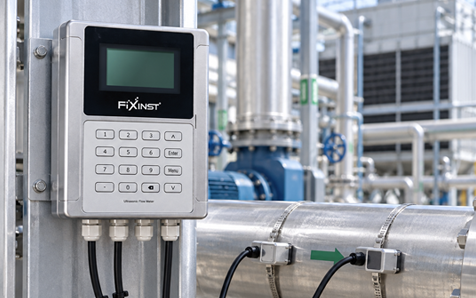
Liquid Flow Measurement Solution
YUA Instruments provides reliable flow measurement solutions for cooling water, circulating water, industrial water, wastewater, chemicals and other process liquids. Based on the liquid properties, pipeline conditions and measurement objectives, we help customers select the appropriate measurement technology and integrate the data into their monitoring systems. Common Challenges Unknown liquid consumption Unstable flow affecting production Existing pipes cannot be cut or shut down Difficult cost allocation between workshops or lines Measurement data cannot be monitored centrally Cooling and circulating water Industrial water and wastewater Process liquids and chemicals Oils and low-conductivity liquids Dosing, filling and batching systems Equipment and OEM integration Solution Architecture Flow meters are installed at main pipes, workshop branches, production lines and critical equipment. Measurement data can be displayed and recorded locally or transmitted to PLC, SCADA and energy management systems. Measurement functions: Instantaneous flow and total consumption High- and low-flow alarms Historical trend analysis Multi-point data acquisition Remote monitoring and system integration Technology Selection Operating conditionTechnologyRecommended productExisting pipe cannot be cutClamp-on ultrasonicF203BWater or conductive liquidElectromagneticF232xClean, low-viscosity liquidTurbineF233xMass flow, dosing or chemicalsCoriolisYACMF Series Selection should consider liquid conductivity, viscosity, pipe size, wall thickness, flow range, pressure, temperature and accuracy requirements. Recommended Products F203B Clamp-on Ultrasonic Flow Meter Non-intrusive installation without cutting the pipe or contacting the liquid. Suitable for retrofit projects, cooling water and temporary measurement. F232x Electromagnetic Flow Meter Suitable for continuous measurement of water, wastewater and other conductive liquids, with no moving parts and almost no pressure loss. F233x Turbine Flow Meter A compact and cost-effective solution for clean, low-viscosity liquids and equipment integration. YACMF Coriolis Mass Flow Meter Designed for mass flow, density, temperature, dosing and demanding process measurement. Customer Benefits Clear Consumption Data Understand liquid consumption by plant,…
Read more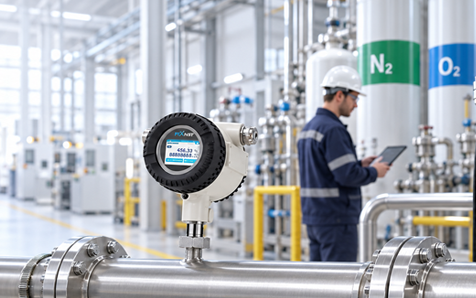
Industrial Gas Flow Measurement Solution
Why Industrial Gas Measurement Matters Industrial gases are essential to welding, cutting, heat treatment, food packaging, electronics, chemical processing and many other production processes. However, many plants only know the total gas purchase volume and cannot determine where, when or how the gas is consumed. Common Challenges · No consumption data for individual departments or production lines · Gas costs cannot be accurately allocated · Leaks and abnormal consumption remain undetected · Supply pressure and flow fluctuate during production · Manual meter reading is inefficient and error-prone · Historical data is unavailable for analysis · Existing meters are unsuitable for low, fluctuating or wet gas flow What the Solution Measures The system can continuously monitor: Instantaneous gas flow Standard or mass flow Accumulated gas consumption Gas pressure Gas temperature Flow and pressure trends Abnormal consumption and threshold alarms Consumption by department, line or machine Typical Measurement Architecture A hierarchical measurement structure makes it possible to compare total supply with downstream consumption. The difference between upstream and downstream values can help identify unmetered use, gas leakage or abnormal consumption. Selecting the Right Measurement Technology Application conditionRecommended technologyMain advantageClean, dry industrial gasesThermal mass flow meterDirect standard/mass flow measurement; wide turndown ratioLarge-diameter pipelinesInsertion thermal mass or Pitot tubeLower installation cost and suitable for large pipesSmall pipelines and machine-level useInline or compact thermal mass meterCompact installation and sensitive low-flow measurementWet or contaminated gasesPitot tube or vortex flow meterBetter adaptability to demanding gas conditionsHigh temperature, pressure or hazardous areasVortex or explosion-proof meterRobust construction and industrial-grade protectionHighly fluctuating consumptionWide-range thermal mass meterCaptures both low and peak consumption Oxygen, hydrogen, natural gas and other special or hazardous gases require confirmation of wetted materials, sealing, pressure rating, explosion protection and gas-specific calibration before product selection. Recommended FIX Instruments Products F211x…
Read more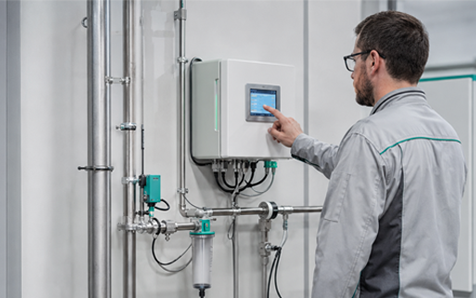
Compressed Air Quality
Compressed Air Quality Testing Real-Time Data for Reliable Monitoring and Ensuring Clean, Safe Compressed Air Compressed air is used in many industrial and commercial applications. It powers pneumatic tools and supports various processes. A clean and reliable air supply is essential to ensure safe and efficient operation. Compressed air can contain contaminants such as water, oil and particles. These can lead to equipment failure, product defects and process interruptions. That is why testing compressed air quality and purity is important. There are different measuring tools available to monitor the air quality. Dew point sensors detect humidity, laser particle counters measure particles in the air, and oil vapor sensors check for oil content. These instruments provide accurate and reliable readings. They help operators maintain control over the system and ensure consistent air quality. Selecting the right testing equipment for each application is necessary. Proper installation and regular monitoring support efficient system operation and help prevent problems before they occur. 1. Compressed Air Contaminants Compressed air is a widely used source of energy, but it is susceptible to various types of contamination. Moisture Leads to corrosion and equipment damage. Effective moisture separators and desiccant dryers are crucial for optimal air quality. Hydrocarbons Originating from lubricants, they can compromise air quality. Regular monitoring and filtration are vital. Pollen & Dust Airborne particles can cause blockages and reduced efficiency. Dedicated filters prevent their entry. Rust Originating from corroded components, rust poses a threat. Regular checks and filtration prevent rust-related issues. 2. Sources of Contamination Contamination in a compressed air system can come from various sources, including 1. Air Intake Air drawn from the environment and compressed can contain dust, particles and other contaminants. 2. Compressor The compressor itself can produce contaminants such as oil mist, carbon particles and other debris. 3. Piping and…
Read more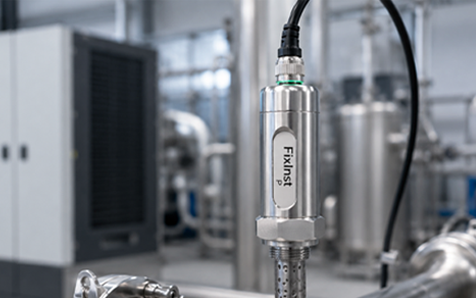
Dryer Dew Point and Performance Monitoring
Continuously monitor compressed air dew point to evaluate dryer performance, operating conditions, and energy consumption. Compressed air dryers remove moisture to protect production equipment and industrial processes. However, changes in operating conditions, filters, refrigerants or desiccants, drainage systems, valves, and adsorption units can gradually reduce drying performance. 1.Why Dry Compressed Air Must Be Verified Atmospheric air naturally contains water vapor. During compression, this moisture becomes more concentrated, and part of it condenses as the compressed air cools. Aftercoolers, separators, and drains remove liquid water, while compressed air dryers reduce the remaining water vapor to the required pressure dew point. However, a dryer that remains powered on is not necessarily delivering the required air quality. Changes in operating conditions, saturated desiccant, refrigerant problems, blocked drains, worn valves, or overloaded filters can gradually reduce drying performance without triggering an obvious alarm. Continuous dew point monitoring provides direct visibility into the compressed air delivered to the plant. YUA Instruments monitoring solutions help operators verify actual pressure dew point, detect rising moisture levels, and identify potential dryer problems before they affect production. Excessive moisture in compressed air can result in: Internal corrosion of pipelines, receivers, cylinders, valves, and pneumatic tools Rust particles and liquid contamination entering downstream processes Pipeline blockage or freezing in cold environments and outdoor installations Defects in painting, coating, electronics, packaging, and product handling Shorter equipment service life and increased maintenance costs Unplanned production downtime and emergency repairs 2.Four Business Reasons to Monitor Dryer Performance Continuous dew point monitoring not only verifies compressed air quality but also helps protect production processes, extend equipment service life, and reduce operating costs caused by unexpected failures. Verify Compressed Air Dryness Continuous pressure dew point measurement confirms whether the dryer…
Read more