Continuously monitor compressed air dew point to evaluate dryer performance, operating conditions, and energy consumption.
Compressed air dryers remove moisture to protect production equipment and industrial processes. However, changes in operating conditions, filters, refrigerants or desiccants, drainage systems, valves, and adsorption units can gradually reduce drying performance.
1.Why Dry Compressed Air Must Be Verified
Atmospheric air naturally contains water vapor. During compression, this moisture becomes more concentrated, and part of it condenses as the compressed air cools. Aftercoolers, separators, and drains remove liquid water, while compressed air dryers reduce the remaining water vapor to the required pressure dew point.
However, a dryer that remains powered on is not necessarily delivering the required air quality. Changes in operating conditions, saturated desiccant, refrigerant problems, blocked drains, worn valves, or overloaded filters can gradually reduce drying performance without triggering an obvious alarm.
Continuous dew point monitoring provides direct visibility into the compressed air delivered to the plant. YUA Instruments monitoring solutions help operators verify actual pressure dew point, detect rising moisture levels, and identify potential dryer problems before they affect production.
Excessive moisture in compressed air can result in:
- Internal corrosion of pipelines, receivers, cylinders, valves, and pneumatic tools
- Rust particles and liquid contamination entering downstream processes
- Pipeline blockage or freezing in cold environments and outdoor installations
- Defects in painting, coating, electronics, packaging, and product handling
- Shorter equipment service life and increased maintenance costs
- Unplanned production downtime and emergency repairs
2.Four Business Reasons to Monitor Dryer Performance
Continuous dew point monitoring not only verifies compressed air quality but also helps protect production processes, extend equipment service life, and reduce operating costs caused by unexpected failures.
Verify Compressed Air Dryness
Continuous pressure dew point measurement confirms whether the dryer continues to deliver compressed air that meets process requirements under changing load and ambient conditions.
Prevent Corrosion and Moisture Contamination
Early detection of rising moisture levels helps prevent condensate from spreading through the compressed air network, reducing the risk of corrosion and contamination affecting equipment, instruments, products, and process surfaces.
Detect Dryer Performance Problems Early
A gradual increase in pressure dew point may indicate saturated desiccant, refrigeration system problems, blocked drains, worn valves, overloaded filters, or changing operating conditions. Early detection allows maintenance to be scheduled before air quality is affected.
Reduce Production Failures and Downtime
Real-time monitoring and alarm notifications enable operators to take corrective action before wet compressed air causes frozen pipelines, equipment failure, rejected products, or emergency shutdowns.
3.Key Parameters for Monitoring Dryer Performance
A dryer status signal or alarm alone cannot confirm whether the compressed air has reached the required level of dryness. YUA Instruments recommends continuously monitoring the pressure dew point and combining it with pressure, flow, and relevant operating data to evaluate actual dryer performance and detect rising moisture levels or potential operating problems at an early stage.
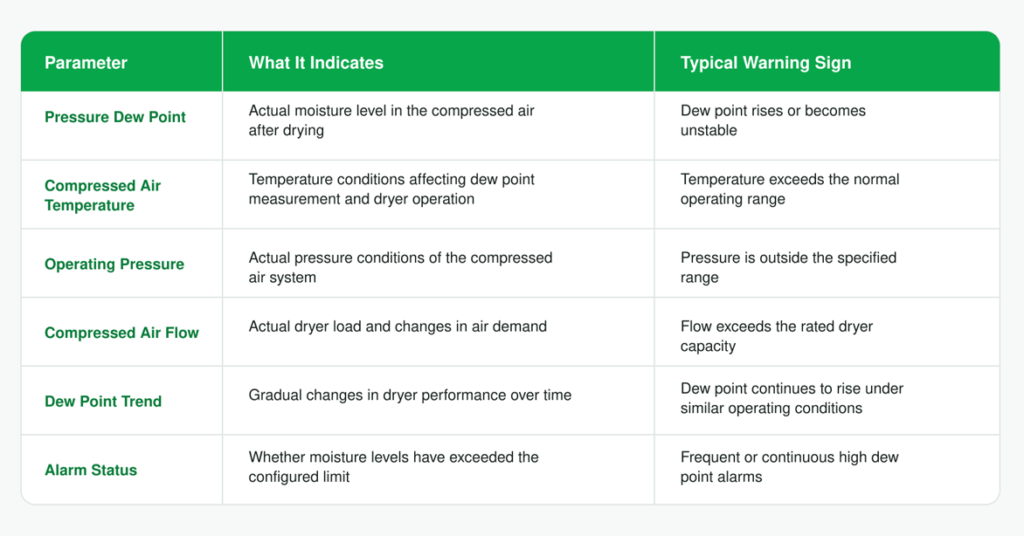
4.Pressure Dew Point: A Key Indicator of Compressed Air Quality
Pressure dew point is the temperature at which water vapor in compressed air begins to condense into liquid water at the current operating pressure. It directly reflects the moisture content of the compressed air and is an important parameter for evaluating dryer performance.
When the pressure dew point remains stable and below the process limit, the dryer is generally operating effectively. A gradual increase or significant fluctuation may indicate saturated desiccant, insufficient regeneration, refrigeration system problems, drain failure, valve leakage, bypass issues, or compressed air flow exceeding the dryer’s rated capacity.
YUA Instruments dew point monitoring solutions continuously track pressure dew point changes. Application-specific warning and high-level alarm limits can be configured to help operators identify moisture problems early and take corrective action before equipment or production processes are affected.
5. Monitoring Different Dryer Technologies
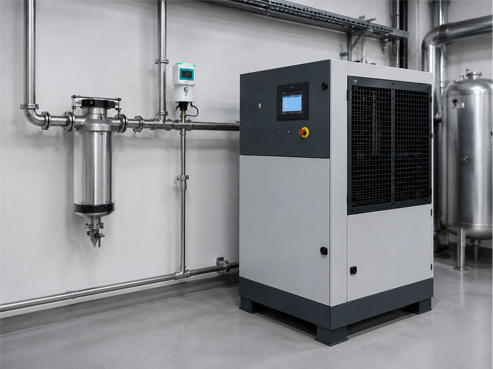
Refrigerated Dryer Monitoring
Monitor outlet dew point to verify air quality and detect dryer performance problems early.
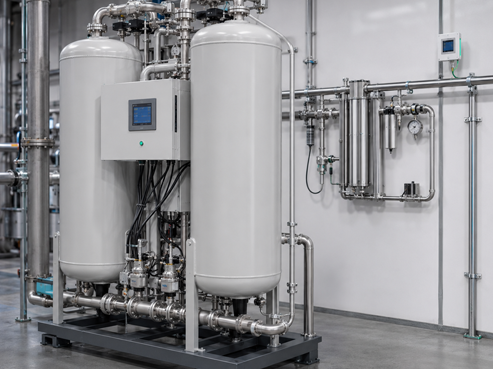
Desiccant Dryer Monitoring
Continuous dew point monitoring helps identify desiccant saturation, regeneration problems, and valve faults.
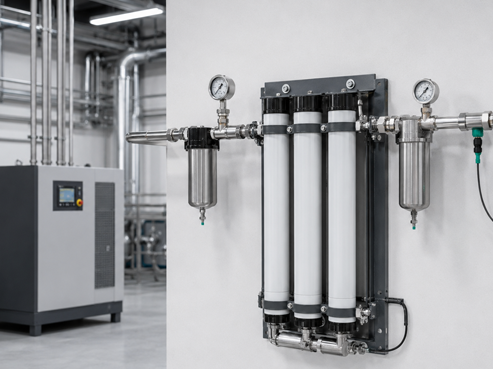
Membrane Dryer Monitoring
Outlet dew point monitoring confirms whether the membrane dryer maintains the required compressed air dryness.
6.How Monitoring Helps Reduce Dryer Energy Consumption
Compressed air dryers consume electricity or compressed air during operation. Refrigerated dryers mainly use electrical power, while desiccant dryers consume compressed air during regeneration. Low-load operation, inefficient regeneration control, and blocked filters can all result in unnecessary energy losses.
YUA Instruments monitoring solutions combine dew point, flow, and pressure data to help users evaluate dryer performance and identify moisture problems, excessive purge-air consumption, increasing pressure drop, and changes in system demand.
Common energy-saving measures include:
- Optimize regeneration cycles based on dew point trends
- Inspect switching valves, purge valves, and condensate drains
- Clean or replace blocked filters
- Maintain condensers and heat exchangers regularly
- Match dryer capacity to actual compressed air demand
- Reduce unnecessary system pressure when operating conditions allow
7.Sensor Installation and Monitoring Data Integration
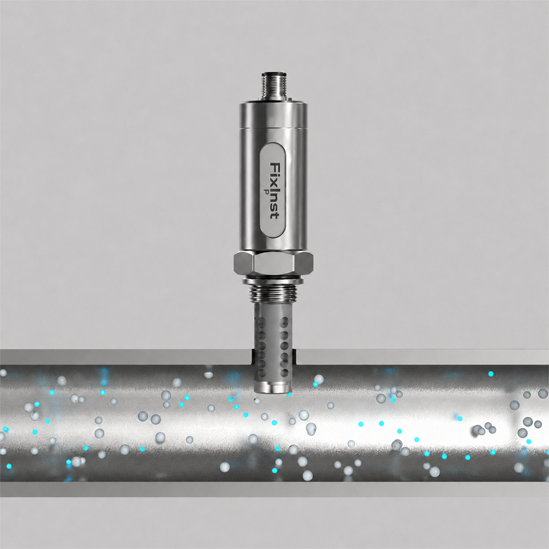
Dew point sensors are typically installed downstream of the dryer and final filters. A bypass or sampling system allows maintenance and calibration without interrupting production.
For critical applications, an additional sensor can be installed at the point of use. YUA Instruments monitoring devices can also connect to compatible PLC or SCADA systems for real-time data, trend analysis, and alarm management.
8. From Alarm Monitoring to Predictive Maintenance
Condition-Based Dryer Maintenance
Fixed maintenance schedules do not always reflect the actual condition of a compressed air dryer. YUA Instruments monitoring solutions use dew point, pressure, and flow data to help maintenance teams identify performance changes at an early stage.
A rising dew point may indicate desiccant aging, insufficient regeneration, or refrigeration problems. Increasing pressure drop can suggest blocked filters, while abnormal flow or energy consumption may reveal valve, heater, blower, fan, or control-system faults.
Monitoring multiple parameters helps users locate potential problems, reduce unnecessary maintenance, and schedule repairs during planned production stops.
Recommended maintenance checks include:
- Dew point trends under normal and peak loads
- Alarm frequency and duration
- Filter and dryer pressure-drop trends
- Purge-air or energy consumption
- Drain and condensate removal performance
- Valve, heater, blower, fan, and refrigeration status
- Sensor inspection and calibration records
9. A Practical Implementation Plan
Step 1: Define Air Quality Requirements
Determine the required pressure dew point for each application based on process conditions and environmental risks.
Step 2: Establish a Baseline
Record dew point, pressure, temperature, and flow data under normal operating conditions for future comparison.
Step 3: Set Warning and Alarm Limits
Configure early-warning and high-level alarms according to the process requirements.
Step 4: Monitor Performance Trends
Use YUA Instruments monitoring data to track air quality and identify gradual changes in dryer performance.
Step 5: Verify the Monitoring System
Regularly inspect sensors, sampling lines, filters, drains, wiring, and communication connections. Calibrate critical sensors at defined intervals.
10.Industries That Benefit from Dew Point Monitoring
General Manufacturing
Protects pneumatic tools, valves, cylinders, and automated equipment from moisture-related corrosion and failure.
Food and Beverage
Helps maintain clean, dry compressed air in packaging, conveying, filling, and product-contact processes.
Pharmaceuticals
Supports compressed air quality monitoring in sensitive production areas, instruments, and clean processes.
Electronics and Coating
Helps prevent moisture-related defects in electronics assembly, painting, powder coating, and precision manufacturing.
11.Make Dryer Performance Visible
YUA Instruments provides dew point sensors, flow meters, and data monitoring solutions to help users continuously monitor compressed air quality and dryer operating conditions.
Whether you use refrigerated, desiccant, or membrane dryers, monitoring changes in dew point, flow, and pressure helps detect performance problems early, reduce energy waste, extend equipment service life, and minimize unplanned downtime.